How to File a Police Complaint for Mental Harassment
Learn how to file a police complaint for mental harassment under IPC in India, including legal sections, evidence required, and FIR process.

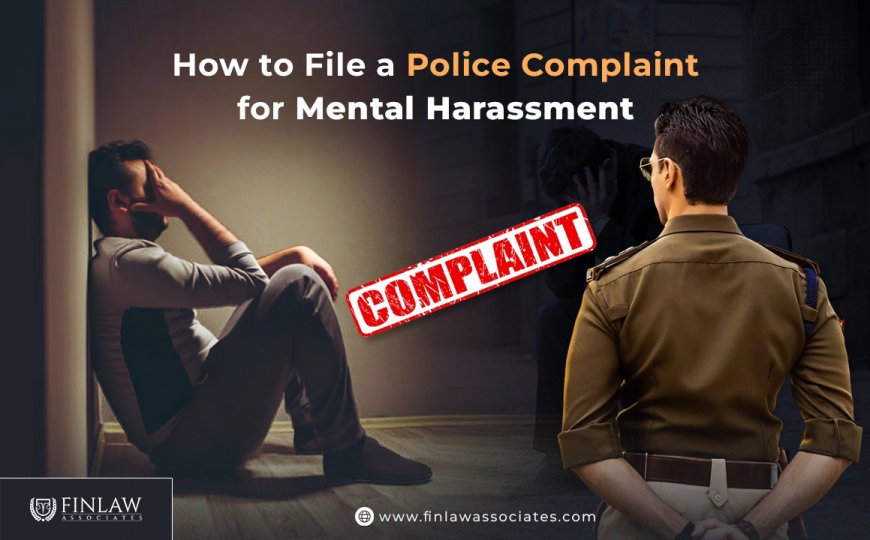
Mental harassment is one of those issues people often endure silently—until it becomes unbearable. Unlike physical violence, it leaves no visible scars, but the emotional toll can be just as damaging. The good news is that Indian law does recognize mental harassment, even though it is not defined as a single standalone offence under the Indian Penal Code (IPC).
If you are searching for “mental harassment IPC” and wondering how to take legal action, this guide explains everything in a clear, practical way—covering applicable laws, required evidence, and the exact process to file a police complaint in India.
What is Mental Harassment in Legal Terms?
Mental harassment (also called psychological abuse) refers to behavior that causes emotional distress, fear, humiliation, or mental trauma. It can occur in various settings such as:
-
Marriage or relationships
-
Workplace environments
-
Family disputes
-
Neighborhood conflicts
-
Online or social media interactions
Common examples include repeated insults, threats, manipulation, intimidation, false allegations, and public humiliation. Even though the IPC does not explicitly define mental harassment, courts interpret it through different provisions depending on the facts of the case.
Key IPC Sections for Mental Harassment
Since “mental harassment IPC” is not a single codified offence, the police apply relevant sections based on the situation. Here are the most important provisions:
1. Section 498A IPC – Cruelty by Husband or Relatives
-
Applies to married women facing cruelty from husband or his family
-
Includes mental cruelty, emotional abuse, and harassment
-
Commonly used in dowry-related cases
-
Cognizable and non-bailable offence
Mental harassment that causes severe emotional distress falls within the scope of cruelty under this section.
2. Section 509 IPC – Insult to the Modesty of a Woman
-
Covers words, gestures, or acts intended to insult a woman’s dignity
-
Includes verbal harassment and inappropriate remarks
3. Section 294 IPC – Obscene Acts and Songs
-
Punishes obscene acts or words in public places
-
Includes verbal abuse that causes annoyance
4. Section 354 and 354A IPC – Harassment of Women
-
Covers assault or harassment intended to outrage modesty
-
Includes sexual harassment and inappropriate conduct
5. Other Relevant Provisions
-
Section 499 IPC (Defamation): False statements harming reputation
-
Section 503 IPC (Criminal Intimidation): Threats causing fear
-
Information Technology laws: For online harassment
-
Workplace laws such as the POSH framework for professional settings
With the introduction of the Bharatiya Nyaya Sanhita (BNS), 2023, many IPC provisions have been renumbered, but the legal principles remain largely the same.
When Should You File a Police Complaint?
You should consider filing a complaint if:
-
The harassment is continuous or severe
-
It is affecting your mental health or daily life
-
You are being threatened or intimidated
-
The situation is escalating over time
-
Attempts to resolve the issue informally have failed
Delaying action can often worsen the situation. Early documentation and reporting are important.
Step-by-Step Process to File a Police Complaint
Step 1: Gather Evidence
Mental harassment cases depend heavily on documentation. You should collect:
-
Messages, emails, and chat records
-
Call recordings where legally permissible
-
Screenshots of abusive communication
-
Witness statements
-
Medical records showing stress, anxiety, or trauma
-
Workplace complaints or HR records
Well-organized evidence significantly strengthens your case.
Step 2: Draft a Written Complaint
Your complaint should be clear, factual, and structured. Include:
-
Your name, address, and contact details
-
Details of the accused person
-
A chronological description of incidents
-
Dates, times, and locations
-
Nature of harassment
-
List of evidence attached
-
A request for legal action
Avoid exaggeration. A precise and factual account carries more weight.
Step 3: Visit the Police Station
Go to the nearest police station and submit your complaint. You should:
-
Provide your written complaint
-
Request an acknowledgment copy
-
Ask for FIR registration if the offence qualifies
If the case involves a cognizable offence, the police are required to register an FIR.
Step 4: Filing the FIR
An FIR (First Information Report) is registered when:
-
The offence is serious in nature
-
There is sufficient basis for investigation
After registration:
-
Police begin investigation
-
Statements are recorded
-
Evidence is collected
Step 5: What if Police Refuse to Register FIR?
If the police do not act, you have legal options:
-
Approach a senior police officer such as the SP or DCP
-
File a complaint through the official online police portal
-
Approach a Magistrate under Section 156(3) of the Criminal Procedure Code
-
Consult a lawyer for further legal remedies
Escalation is your right if your complaint is ignored.
Step 6: Follow Up on Your Case
After filing the complaint:
-
Stay in contact with the investigating officer
-
Submit any additional evidence when required
-
Attend hearings if the case proceeds to court
Regular follow-up ensures that the case progresses efficiently.
Special Situations and Where to File
Workplace Mental Harassment
-
Report internally to HR or Internal Complaints Committee
-
If unresolved, approach the police
Domestic Harassment
-
File under Section 498A IPC
-
You may also seek protection under domestic violence laws
Cyber or Online Harassment
-
Report through cyber crime portals
-
Provide digital evidence such as screenshots and links
Practical Tips Before Filing a Complaint
-
Start documenting incidents as early as possible
-
Avoid direct confrontation without evidence
-
Keep communication records safe and backed up
-
Seek legal advice in complex cases
-
Ensure your complaint is truthful and accurate
Challenges in Mental Harassment Cases
Mental harassment cases can be legally complex. Some common challenges include:
Lack of Physical Evidence
Psychological abuse does not leave visible proof, making documentation essential.
Social and Family Pressure
Victims often hesitate due to stigma or personal relationships.
Legal Interpretation
Different provisions may apply depending on context, making legal guidance important.
Concerns of Misuse
Certain laws have faced scrutiny, leading authorities to examine complaints carefully.
Despite these challenges, genuine cases supported by evidence are taken seriously.
What Happens After Filing a Complaint?
Once your complaint is registered:
-
Police initiate an investigation
-
Statements of involved parties are recorded
-
Evidence is evaluated
-
A chargesheet may be filed
-
The case proceeds to court
The outcome depends on the evidence and the legal provisions applied.
Mental Harassment vs Mental Cruelty
-
Mental harassment is a broader concept covering various situations
-
Mental cruelty is a legal term often used in matrimonial disputes under Section 498A
Understanding this distinction helps in choosing the correct legal approach.
Final Thoughts
Mental harassment is a serious issue that can have lasting psychological effects. While there is no single provision labeled “mental harassment IPC,” Indian law provides multiple legal remedies depending on the nature of the abuse.
Taking action may feel difficult, but documenting the issue and following the correct legal process can help you protect your rights. A well-prepared complaint not only strengthens your case but also ensures that the matter is taken seriously by authorities.
What's Your Reaction?