YouTube and Influencer Liability in Cyber Defamation: Understanding the Legal Implications
Explore YouTube and influencer liability in cyber defamation, legal responsibilities, notable cases, and preventive measures for online creators.

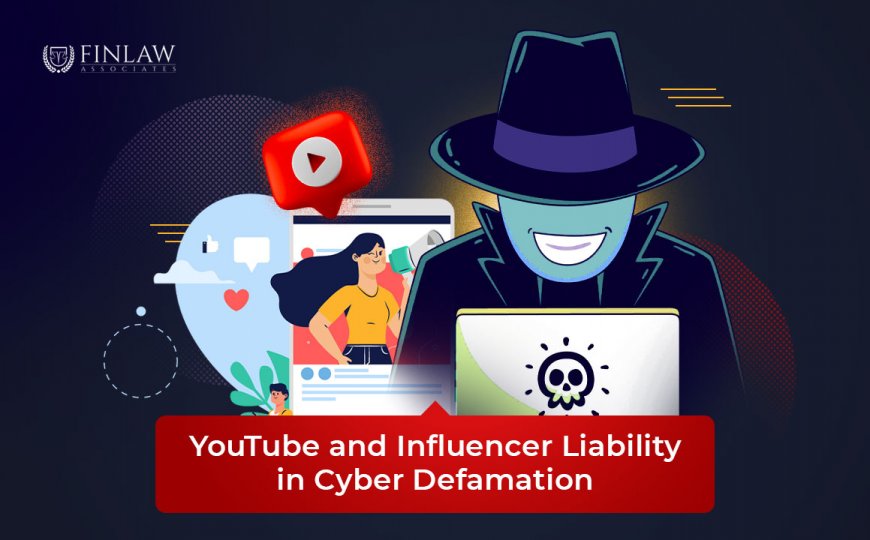
In today’s digital age, YouTube and social media influencers wield tremendous influence. Their content can reach millions within minutes, shaping opinions, driving trends, and even impacting reputations. With this power comes a significant responsibility, particularly when it comes to cyber defamation.
Cyber defamation involves publishing false or misleading statements online that harm an individual’s reputation. YouTubers and influencers, who often share reviews, opinions, or commentary, can unintentionally or negligently spread defamatory content, exposing themselves to legal liability. Understanding these risks under India’s Bharatiya Nyaya Sanhita (BNS, 2023) is essential for responsible content creation.
What Is Cyber Defamation?
Cyber defamation occurs when false statements about an individual or entity are shared online, including on YouTube. This can include video content, text overlays, or voice-overs that damage reputation.
Under the Bharatiya Nyaya Sanhita (BNS):
-
Section 356 defines defamation as making or publishing any statement intending to harm, or knowing that it may harm, the reputation of a person.
-
Defamation can be libel (written or published) or slander (spoken).
-
Exceptions exist, including truth for public good and fair criticism.
Unlike the old Indian Penal Code, BNS modernizes defamation law to reflect the realities of online communication.
Read more in details - Understanding Cyber Defamation: The Role of Digital Literacy in Prevention
Punishments for Defamation Under BNS
Section 356 of BNS prescribes:
-
Imprisonment for up to two years
-
Fine, or
-
Both imprisonment and fine
Courts may also impose alternative penalties, depending on the severity of harm and intent.
YouTube as a Platform: Where Liability Arises
Content Creator Liability
YouTubers are primarily responsible for their published content. Potentially defamatory content includes:
-
False accusations against individuals or businesses
-
Unverified claims presented as facts
-
Rumors or misleading statements that harm reputation
Even if content is removed later, creators can be held liable for its original publication.
Platform Liability
YouTube typically enjoys safe harbor protection under the Information Technology (Intermediary Guidelines) Rules, 2021, provided it acts promptly upon receiving notice of defamatory content. Safe harbor may be lost if the platform:
-
Fails to act after receiving a complaint
-
Participates in creating or promoting defamatory content
Third-Party Contributors
Collaborators, editors, or sponsors may also face liability if they knowingly assist in producing defamatory content.
Influencer Liability
Influencers often mix entertainment, commentary, and commercial messaging, which increases potential liability:
-
Endorsements and Reviews: False claims in product reviews may trigger defamation and consumer protection issues.
-
Public Figure Commentary: Opinions on public figures are somewhat protected, but false factual statements are actionable.
-
Global Audience: YouTube’s worldwide reach can create cross-border legal implications.
Legal Remedies for Victims
Victims of cyber defamation have several remedies under Indian law:
-
Criminal Action: Filing a complaint under Section 356 BNS.
-
Civil Action: Seeking compensation for reputational and emotional damages.
-
Digital Takedown Requests: Using intermediary compliance rules to request removal of defamatory content.
How Courts Determine Liability
Courts consider:
-
Falsity: Whether the statement is objectively false
-
Intent or Negligence: Whether the creator acted knowingly or recklessly
-
Public Interest vs. Defamation: Statements in the public interest may be protected
-
Platform Role: Whether the platform merely hosted content or actively promoted it
Real-World Examples
Although BNS is relatively new, courts continue to uphold the principle that online false statements causing reputational harm are punishable:
-
Earlier cases, such as Subramanian Swamy v. Union of India, illustrate how online defamation claims are actionable.
-
Recent YouTube cases involve creators spreading unverified allegations against businesses and public figures, resulting in criminal complaints or civil suits.
Best Practices for YouTubers and Influencers
Creators can reduce liability risk by:
-
Fact-Checking Content: Verify all claims before publication
-
Using Disclaimers: Distinguish opinions from factual statements
-
Responding Promptly to Complaints: Remove or correct content as necessary
-
Seeking Legal Review: Consult lawyers for sensitive or high-risk content
-
Understanding Jurisdictional Laws: Consider international implications if the audience is global
Conclusion
YouTubers and influencers hold significant responsibility in the digital age. Under the Bharatiya Nyaya Sanhita (BNS, 2023), publishing defamatory content can result in criminal penalties, fines, and civil liabilities. By understanding legal obligations and adopting responsible content practices, creators can protect themselves and their audiences, while fostering a safe and ethical online environment.
For a deeper understanding of cyber defamation laws and broader implications, see our pillar article on cyber defamation.
What's Your Reaction?