What to Do If You Become a Victim of Online Fraud: A Complete Guide for India
Victim of online fraud? Learn the immediate steps to take, how to protect your accounts, preserve evidence, report scams, and explore legal options.

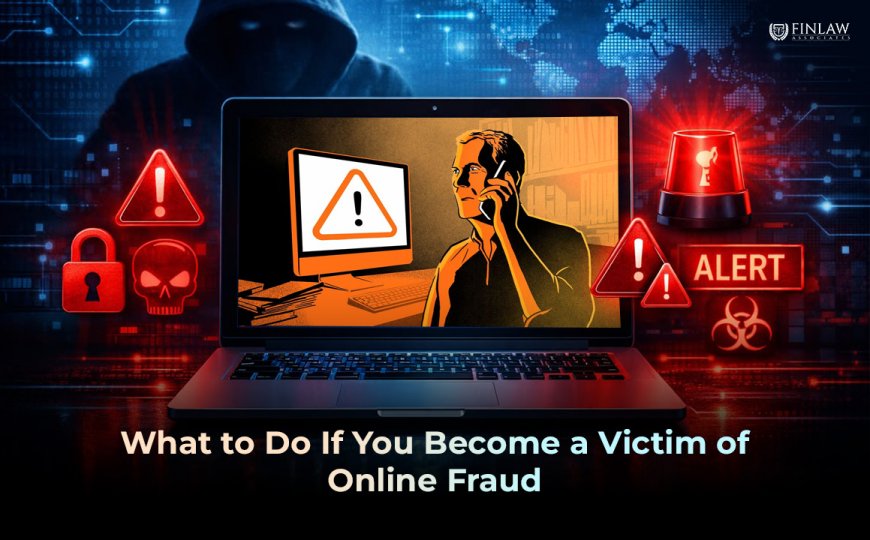
A Step-by-Step Guide for Online Fraud Victims in India
Few experiences are as frustrating as discovering that you have been cheated online. Whether it is a phishing scam, fake investment scheme, UPI fraud, credit card fraud, impersonation scam, or unauthorized bank transaction, online fraud can result in financial loss, emotional stress, and uncertainty about what to do next.
The good news is that taking the right actions quickly can significantly improve your chances of limiting damage, preserving evidence, and assisting authorities in investigating the fraud.
Many victims lose valuable time because they are unsure where to report the incident, whom to contact, or what evidence to preserve. In some cases, delayed action makes recovery of funds much more difficult.
This guide explains exactly what to do if you become a victim of online fraud in India, the mistakes to avoid, and when it may be appropriate to consult cybercrime lawyers for legal assistance.
Key Takeaways
-
Act immediately if you suspect online fraud.
-
Contact your bank or payment provider without delay.
-
Report the incident through official cybercrime reporting channels.
-
Preserve all evidence, including messages, emails, screenshots, and transaction records.
-
Change passwords and secure compromised accounts.
-
Monitor financial accounts for further unauthorized activity.
-
Legal remedies may be available depending on the nature of the fraud.
-
Early intervention often improves the chances of recovery and investigation.
What Should You Do Immediately After Becoming a Victim of Online Fraud?
If you become a victim of online fraud:
-
Stop further transactions immediately.
-
Contact your bank or payment provider.
-
Block compromised cards or accounts.
-
Preserve all evidence.
-
Report the incident through official cybercrime reporting channels.
-
File a complaint with law enforcement if necessary.
-
Change passwords and secure affected accounts.
-
Monitor your financial activity closely.
-
Seek legal guidance where significant losses or complex issues are involved.
The first few hours after discovering the fraud are often critical.
What Is Online Fraud?
Online fraud refers to deceptive activities conducted through digital platforms with the intention of obtaining money, personal information, financial credentials, or unauthorized access to accounts.
Fraudsters continually adapt their methods, making cyber fraud one of the fastest-growing forms of financial crime.
Common Types of Online Fraud in India
Understanding the type of fraud can help victims respond more effectively.
UPI Fraud
Fraudsters trick victims into approving unauthorized transactions through UPI applications.
Phishing Scams
Victims receive fake emails, messages, or websites designed to steal credentials.
Investment Scams
Fraudsters promise unrealistic returns through fake trading, cryptocurrency, stock market, or investment schemes.
Job Scams
Victims are asked to pay registration fees, security deposits, or verification charges for fake employment opportunities.
Credit Card Fraud
Unauthorized transactions occur using stolen card information.
OTP Fraud
Scammers manipulate victims into sharing one-time passwords or verification codes.
Social Media Fraud
Fraudsters impersonate individuals, businesses, or public figures to obtain money or sensitive information.
E-Commerce Fraud
Victims pay for products or services that are never delivered.
Immediate Steps to Take After Discovering Online Fraud
Step 1: Stop Further Transactions Immediately
The moment you suspect fraud:
-
Stop making additional payments.
-
End communication with the suspected fraudster.
-
Avoid sending more money in hopes of recovering earlier losses.
-
Refrain from following further instructions from the scammer.
One of the most common mistakes victims make is continuing to engage with fraudsters.
Step 2: Contact Your Bank or Financial Institution
Why This Matters
Banks may be able to:
-
Freeze transactions
-
Flag suspicious activity
-
Block compromised accounts
-
Prevent additional losses
Contact:
-
Your bank's fraud department
-
Customer support channels
-
Card issuer
-
Payment service provider
Provide:
-
Transaction details
-
Date and time of the fraud
-
Amount involved
-
Screenshots and evidence
The faster the report is made, the better the chances of intervention.
Step 3: Block Compromised Accounts and Cards
If any financial credentials may have been exposed:
Immediately:
-
Block debit cards
-
Block credit cards
-
Freeze affected accounts where possible
-
Disable compromised digital wallets
Fraudsters often attempt multiple transactions after gaining access.
Step 4: Preserve Every Piece of Evidence
Evidence Is Critical
Many victims accidentally delete information that could assist investigators.
Save:
-
Screenshots
-
Emails
-
Text messages
-
WhatsApp chats
-
Telegram conversations
-
Payment confirmations
-
Bank statements
-
Account activity logs
-
Fraudulent website URLs
-
Social media profiles involved
Create a dedicated folder and store copies securely.
Step 5: Report the Incident Through Official Cybercrime Channels
Prompt reporting increases the likelihood of investigation and recovery efforts.
When filing a complaint, provide:
-
Contact details
-
Transaction information
-
Screenshots
-
Communication records
-
Account details involved
Accurate information helps authorities assess the complaint more effectively.
Step 6: Change Passwords Immediately
If login credentials may have been compromised:
Change passwords for:
-
Banking accounts
-
Email accounts
-
Social media accounts
-
E-commerce accounts
-
Payment applications
Best Practices
Use:
-
Unique passwords
-
Strong password combinations
-
Password managers
-
Multi-factor authentication
Avoid reusing old passwords.
Step 7: Enable Additional Security Measures
Many fraud incidents escalate because accounts remain vulnerable.
Consider:
-
Two-factor authentication (2FA)
-
Biometric verification
-
Account alerts
-
Transaction notifications
-
Device security reviews
These measures can help prevent further unauthorized access.
Step 8: Monitor Your Financial Activity
Fraud does not always end with the first transaction.
Monitor:
-
Bank statements
-
Credit card statements
-
Loan accounts
-
UPI applications
-
Digital wallets
-
Investment accounts
Look for:
-
Small unauthorized transactions
-
New beneficiaries
-
Unrecognized account changes
Fraudsters sometimes test accounts with small transactions before attempting larger thefts.
Step 9: Document Your Losses
Create a timeline containing:
|
Information |
Details |
|
Date of fraud |
When it occurred |
|
Method used |
UPI, phishing, card fraud, etc. |
|
Amount lost |
Total financial impact |
|
Accounts affected |
Banking or digital accounts |
|
Actions taken |
Reports, complaints, notifications |
|
Evidence collected |
Screenshots, statements, messages |
This documentation can be useful during investigations and legal proceedings.
Step 10: Understand Your Legal Options
Depending on the circumstances, victims may have legal remedies available.
Potential issues can include:
-
Fraud
-
Identity theft
-
Unauthorized access
-
Data misuse
-
Financial deception
-
Contractual disputes
-
Recovery proceedings
In cases involving significant financial losses, cross-border scams, cryptocurrency fraud, corporate fraud, or complex digital evidence, consulting experienced cybercrime lawyers may help victims understand available legal remedies.
Common Mistakes Online Fraud Victims Make
Delaying Reporting
Time is often critical.
Immediate action may improve recovery opportunities.
Deleting Evidence
Evidence should be preserved, not deleted.
Attempting to Negotiate With Fraudsters
Scammers frequently request additional payments under false promises of recovery.
Sharing More Personal Information
Victims sometimes provide additional information in attempts to resolve the issue.
This can worsen the situation.
Ignoring Small Unauthorized Transactions
Even minor unauthorized charges may indicate broader account compromise.
Can Lost Money Be Recovered?
The Honest Answer
Sometimes yes, sometimes no.
Recovery depends on several factors:
-
Speed of reporting
-
Payment method used
-
Nature of the fraud
-
Availability of evidence
-
Ability to identify perpetrators
-
Status of transferred funds
Early action generally improves the likelihood of a successful outcome.
To know more in details - How to Recover Money Lost in Online Scams
How Authorities Typically Investigate Online Fraud
Investigations may involve:
-
Transaction tracing
-
Device analysis
-
IP address analysis
-
Digital evidence review
-
Financial intelligence gathering
-
Platform cooperation
-
Account tracking
The complexity of the investigation depends on the sophistication of the fraud scheme.
How to Reduce the Risk of Future Online Fraud
Verify Before You Trust
Always verify requests involving money or sensitive information.
Avoid Sharing OTPs
Legitimate institutions generally do not ask customers to share OTPs.
Be Skeptical of Urgent Requests
Fraudsters often create pressure to force quick decisions.
Use Strong Authentication
Enable security features wherever available.
Verify Investment Opportunities
If promised returns seem unrealistic, conduct thorough due diligence.
Review Account Activity Regularly
Early detection can reduce losses.
Top Warning Signs of Online Fraud
|
Red Flag |
Why It Is Concerning |
|
Urgent payment requests |
Pressure tactic |
|
Guaranteed investment returns |
Common scam indicator |
|
Requests for OTPs |
Credential theft attempt |
|
Suspicious links |
Phishing risk |
|
Unexpected account alerts |
Possible compromise |
|
Requests for advance fees |
Fraud warning sign |
|
Fake customer support contacts |
Impersonation tactic |
Frequently Asked Questions
What Is the First Thing I Should Do After Online Fraud?
Immediately contact your bank or payment provider and take steps to prevent additional unauthorized transactions.
Can Online Fraud Be Reported After Several Days?
Yes, but reporting promptly generally improves the chances of investigation and potential recovery.
Should I Delete Messages From the Fraudster?
No. Preserve all communications as evidence.
Can UPI Fraud Victims Recover Their Money?
Recovery depends on multiple factors, including how quickly the incident is reported and the circumstances of the transaction.
What Evidence Should I Save?
Save screenshots, transaction records, emails, messages, account statements, and any information relating to the fraud.
When Should I Contact a Lawyer?
Victims may consider consulting cybercrime lawyers when substantial losses occur, complex legal issues arise, identity theft is involved, cryptocurrency assets are affected, or recovery options need evaluation.
Can Online Fraud Lead to Identity Theft?
Yes. Fraudsters often use stolen information for unauthorized transactions, impersonation, or account access.
Final Thoughts
Becoming a victim of online fraud can be overwhelming, but taking immediate and informed action can make a significant difference. The most important priorities are stopping further losses, preserving evidence, reporting the incident promptly, and securing compromised accounts.
Many victims focus exclusively on recovering money while overlooking critical steps such as evidence preservation and account security. A structured response improves both investigative outcomes and future protection.
As online scams continue to evolve, awareness remains one of the strongest defenses. Understanding how fraud occurs, recognizing warning signs, and acting quickly when something goes wrong can help minimize damage and improve the chances of a successful resolution.
Where significant financial losses, complex fraud schemes, digital asset theft, or legal disputes are involved, experienced cybercrime lawyers can assist in evaluating available legal remedies and guiding victims through the recovery process.
What's Your Reaction?